Corinth, TX · Denton County
Basement Water Removal in Corinth, TXBasement Wall Drying & Emergency Basement Flooding
Basement Water Removal in Corinth runs from basement water pump out and basement drying services to basement dehumidification.
Answered 24/7
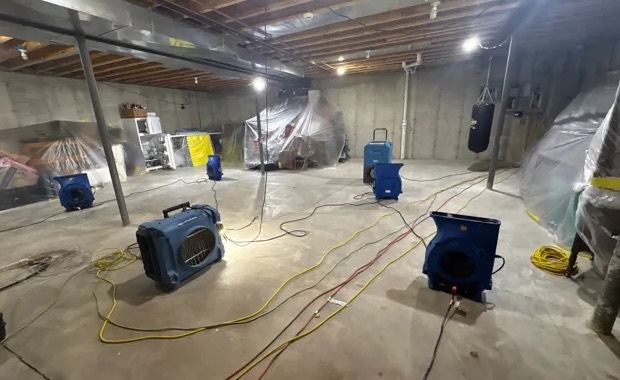
Local Basement Water Removal Services for Corinth
In Corinth homes with a basement or below-grade room, water usually comes from storms, sewer backups or plumbing leaks overhead. The source decides how the water is handled and what can be saved.
Few homes in Corinth are built with basements, so these steps are usually applied to the lowest rooms of a house, a garage or a crawl space instead.
In Corinth, when a basement or below-grade room takes on water, it usually follows heavy rain, a sewer backup or a burst pipe. Local basement water removal pros serve Corinth, Hickory Creek, Lake Dallas and Highland Village, pumping water out and drying the space.
Professional Basement Water Removal Offerings
Basement Wall Drying
Concrete and block walls dry with directed airflow and dehumidification, which pull water out of the masonry.
Emergency Basement Flooding
Emergency response starts with making power safe, stopping the source if possible and pumping out the water.
Basement Moisture Inspection
An inspection shows how high water wicked up the walls and how far it spread under flooring, which sets the drying plan.
Basement Drying Services
Equipment stays until the basement reads dry, not just until it looks dry. Removing it early lets dampness return.
Basement Dehumidification
After drying, a household dehumidifier may still be needed to keep basement humidity in a healthy range.
Warning Signs You Need Basement Water Removal
High Humidity and Condensation
Water on pipes and windows, or a constantly clammy feel, means basement humidity is too high.
Standing Water in Basement
Standing water anywhere on the basement floor needs to be pumped out before it soaks the walls.
Rusted Appliances or Furniture
Rust on appliance bases, furniture legs or metal shelving points to standing water or long-term dampness.
Mold or Mildew
Dark spots on drywall, framing or stored items mean the area has stayed wet for days.
How Basement Water Removal Works in Corinth
Step 1: First Call and Initial Assessment
The source, the type of water and the depth are checked, and the water level is photographed.
Step 2: Bulk Water and Contaminant Removal
Pumps remove standing water, and carpet, pad or drywall touched by dirty water is removed.
Step 3: Drying With Monitoring
Dehumidifiers and air movers run around the clock, with readings logged every day on walls and slab.
Step 4: Post-Drying Evaluation and Documentation
Final readings and photos are compiled to show the basement is dry and what was removed.
Why Basements Flood in Corinth
Sewer Line Backups and Blockages
A blocked sewer line can push wastewater up through basement floor drains and toilets.
Clogged or Damaged Gutters
Clogged gutters and short downspouts dump roof water right next to the foundation.
Plumbing Leaks or Pipe Bursts
Supply lines, drain pipes and water heaters in the basement can leak or burst onto the floor.
Heavy Rainfall and Storm Flooding
Heavy rain saturates the soil and pushes water through walls, cracks and the floor joint.
Residential and Commercial Basement Water Removal in Corinth
Residential Basement Water Removal
Families should keep children and pets away from basement water until power is safe and the type of water is known.
Commercial Basement Water Removal
In restaurants and shops, basement water near food or stock storage needs removal and cleaning before those areas are used again.
The Risks of DIY Basement Water Removal
A small puddle on bare concrete can be handled with a wet vac, towels and a dehumidifier. Call the pros if water reached carpet, drywall or framing, or covers much of the floor.
Factors Affecting Basement Water Removal Cost
The cost of basement water removal in Corinth depends on how deep the water is, what type of water it is and how much finished material has to come out.
Drying Time Required
Basements dry slowly, and each extra day of equipment adds to the total.
Contamination Level
Sewage or dirty water needs protective gear, removal and disinfection, which costs more.
Affected Materials
Finished walls, carpet and laminate take more removal work than bare concrete.
Does Insurance Cover Basement Water Removal?
Ask your adjuster early how your policy treats seepage and sewer backups, since many policies limit or exclude both kinds of water.
Advantages of Local Basement Water Removal Experts
Methodical Water Removal Process
Water is removed in a set order: pump-out, extraction, removal of soaked materials, then drying.
Advanced Drying Equipment
Pumps, extractors and large dehumidifiers remove water much faster than household tools.
Industry Drying Standards
Water removal and drying follow industry water damage standards, with readings at every visit.
Emergency Basement Water Removal Available 24/7
Storm night, weekend or holiday, the pros handle basement water in Corinth. Call (972) 833-6805 to get pumps running and drying started.
Call Now (972) 833-6805Basement Water Removal Throughout Denton County
Need basement water removal outside Corinth? Service also covers Hickory Creek, Lake Dallas and Highland Village, including emergency help during storms.
Common Basement Water Removal Questions Answered
What causes basement floor water damage?
Storm seepage, burst pipes, appliance leaks, foundation cracks and sewer backups through floor drains are the usual sources.
Why is fast water removal so important for basements?
Basements dry slowly, so every hour of standing water adds drying days and more materials to replace.
What happens during basement moisture control?
Dehumidifiers and air movers keep humidity low while materials dry, and readings confirm when the space is normal.
Why is basement dehumidification important after pumping?
Walls and concrete keep releasing moisture for days. Dehumidifiers remove it so the basement does not stay damp.
What equipment is used for basement water extraction?
Submersible pumps, extractors, wet vacs, air movers, large dehumidifiers and moisture meters to confirm drying.