Garland, TX · Dallas County
Construction Site Damage Restoration in Garland, TXEmergency Construction Drying Services & Construction Site Sewage Cleanup
Construction Site Damage Restoration in Garland provides construction site water extraction, construction site structural drying, and construction site sewage cleanup for flood or fire damage.
Answered 24/7
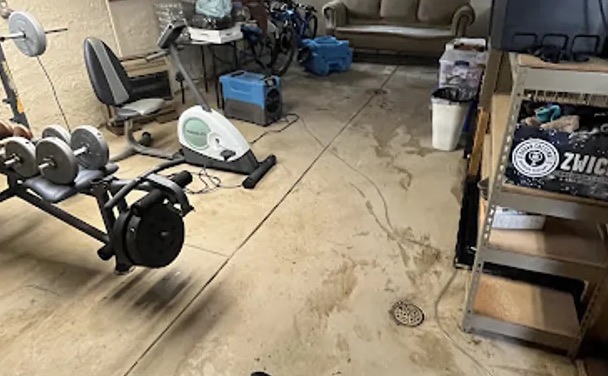
Expert Construction Site Damage Restoration Services for Garland Builders
Structural drying on a construction site in Garland addresses water trapped in concrete, framing, and sheathing, which can warp and split materials as they dry unevenly. This undermines the structural design specifications.
In Garland, construction site storm damage restoration often involves securing tarps and extracting wind-driven rain from unfinished interiors. Local construction site water damage pros manage these emergencies with 24/7 availability. They also serve Rowlett, Sachse and Richardson when storms hit active sites.
Construction Site Damage Restoration Services in Garland, TX
Emergency Construction Drying Services
By establishing a controlled drying environment, experts help protect the investment in building materials and maintain the project's critical path schedule.
Construction Site Sewage Cleanup
Sewage cleanup on an active build site involves containing the spill to limit contamination. Pumping out the affected water precedes a thorough, multi-step cleaning process.
Construction Site Mold Remediation
Addressing mold during construction prevents spores from becoming enclosed within finished walls.
Construction Site Fire Damage Cleanup
Cleaning after a construction site fire focuses on soot removal from exposed ductwork, electrical conduits, and structural members.
New Build Moisture Inspection
A professional moisture inspection identifies hidden dampness in walls, floors, and structural materials before closing up walls. It keeps moisture from being sealed in, where it causes mold or failures later.
Warning Signs You Need Construction Site Damage Restoration in Garland
Persistent Dampness in Framed Walls
Moisture trapped inside newly framed walls after a rain event can lead to rot, mold, and compromised structural drying needs.
Flooded Excavations or Trenches
Heavy rain can fill excavations, destabilizing soil and potentially flooding the construction site's lower levels or utilities.
Visible Mold Growth on Materials
Fuzzy or discolored mold on lumber, drywall or insulation means a moisture problem.
Storm Damage to Temporary Enclosures
High winds or hail can tear tarps, breach weather barriers, and allow water intrusion into vulnerable construction zones.
How Construction Site Damage Restoration Works in Garland
Step 1: Initial Damage Containment and Extraction
The first action is to contain the affected area and perform construction site water extraction. This prevents cross-contamination and limits the damage's spread.
Step 2: Systematic Drying With Monitoring
A drying plan is executed using specialized equipment for construction site structural drying. Moisture levels are checked closely.
Step 3: Sanitization and Odor Neutralization
Following water or fire damage, affected surfaces are sanitized. Odors from smoke, sewage, or mold are neutralized using professional-grade treatments.
Step 4: Post-Remediation Inspection and Documentation
A final inspection confirms the site is dry and safe. Documentation is compiled, which can be useful for project managers and insurance purposes.
Why Garland Construction Sites Need Construction Site Damage Restoration
Sewer Line Breaks During Grading
Heavy equipment operating near underground utilities can rupture sewer lines, causing raw sewage to flood the construction zone.
Groundwater Infiltration
Poor site drainage can let rain and groundwater to seep into foundations and slabs during construction.
HVAC System Testing Leaks
Pressure testing or condensation line failures in newly installed HVAC systems can leak water into walls and ceilings.
Condensation in Enclosed Spaces
Temperature differentials in sealed areas with wet materials can create condensation, promoting mold growth without proper moisture removal.
Complete Construction Site Damage Restoration for Garland Developments
Construction Site Damage Restoration for Homeowners
Sewage overflow from a failed septic line test during a rural home build creates a severe biohazard. Sewage must be removed and the area disinfected before work resumes.
Construction Site Damage Restoration for Owners and Facility Managers
Storm damage to a warehouse or industrial site's shell can expose stored materials and equipment. Construction site storm damage restoration stabilizes the structure and protects valuable assets from further weather exposure.
Construction Site Damage Restoration vs. DIY: When to Call Local Specialists
If a small fire is put out quickly, ventilate the area safely to clear the smoke. Charred framing or widespread soot on materials needs professional fire cleanup.
Estimating Your Construction Site Damage Restoration Needs in Garland
Pricing for construction site moisture removal around Garland considers the number of air movers and dehumidifiers deployed. The length of monitoring also affects the total.
Affected Materials and Finishes
Drying gypsum board is standard, but restoring saturated concrete slabs or specialized building materials requires more time and specific techniques, affecting price.
Required Equipment and Labor
Large-scale projects need industrial-grade extractors, air movers, and dehumidifiers. The number of emergency construction site drying specialists and hours needed for drying dictates a significant portion of cost.
Project Duration and Monitoring
Longer drying times for deep saturation or hidden cavities mean extended equipment rental and labor. Regular moisture mapping adds to the project timeline and cost.
Does Insurance Cover Construction Site Damage Restoration?
Coverage for construction site damage restoration depends on the specific commercial policy and cause of loss. The specialists document all damage with photos and moisture readings for a claim. Homeowners should review their policy and confirm coverage decisions with their insurer.
The Value of Local Specialists for Construction Site Damage Restoration
Containment and Safety Protocols
For construction site mold remediation or sewage cleanup, containment barriers and air scrubbers are used. It controls contaminants on the job site.
Focus on Preserving Materials
The goal during construction site water extraction is to salvage as much building material as possible. Proper drying can prevent warping, mold, and costly replacements.
Detailed Damage Documentation
Photo and video documentation is created alongside moisture mapping. This record is provided for your reference and potential insurance claim needs.
Urgent Construction Site Damage Restoration Available 24/7 in Garland
Immediate construction site sewage cleanup prevents contamination spread. Reach the specialists for emergency service day or night by calling (972) 833-6805.
Call Now (972) 833-6805Providing Construction Site Damage Restoration to Garland and Vicinity
Construction site water damage help is available for active projects in Garland and nearby Rowlett, Sachse and Richardson, where rain and plumbing leaks can threaten the schedule.
Your Construction Site Damage Restoration Questions Addressed
What are common sources of new build water damage?
Common sources include broken supply lines, testing of plumbing systems, HVAC condensation line issues, and weather events before the building is fully enclosed. Even minor leaks during construction can lead to significant hidden damage.
Why is quick action critical for construction site water cleanup?
Standing water can weaken concrete, warp wood and grow mold within 24 to 48 hours. Quick action helps preserve structural integrity.
Is construction site water removal needed for clean water leaks?
Yes, construction site water removal is needed even for clean Category 1 water leaks. While not contaminated, the water can still damage materials, promote mold, and delay construction schedules if not addressed promptly.
How does construction site structural drying differ from home drying?
Construction site structural drying often deals with larger, open volumes and exposed building materials like concrete and framing. It requires industrial-grade dehumidifiers and strategic air movement to manage higher moisture loads effectively.
What is included in construction site water extraction services?
Construction site water extraction involves removing standing water using truck-mounted or portable pumps and extractors. The process focuses on water removal from slabs, pits, and subfloors to prepare for the structural drying phase.