Heath, TX · Rockwall County
Desiccant Dehumidification in Heath, TXMold Prevention Drying & Construction Drying Services
Desiccant Dehumidification in Heath runs from emergency dehumidification and flood drying services to firefighting water drying.
Answered 24/7
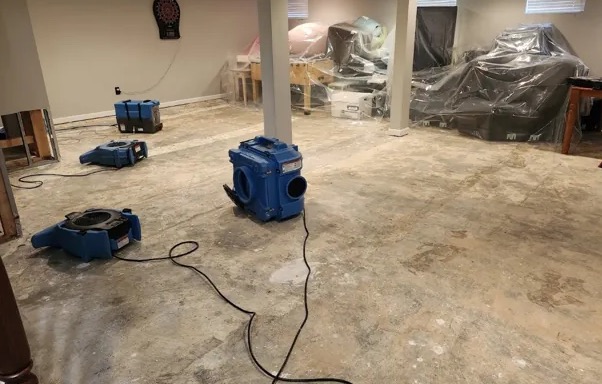
Local Desiccant Dehumidification Services for Heath
Desiccant Dehumidification in Heath is not needed for every job. Small leaks in warm rooms often dry well with standard dehumidifiers. Cool spaces, large buildings and dense materials are where desiccant units help most.
In Heath, desiccant drying is often used in crawl spaces and large buildings after floods. Local moisture removal pros serve Heath, Sunnyvale, Forney and Rockwall, choosing equipment based on readings.
Comprehensive Desiccant Dehumidification for Heath
Mold Prevention Drying
In contained work areas, desiccant dehumidifiers keep the air dry while damaged materials are removed and framing is cleaned.
Construction Drying Services
New construction can trap moisture in concrete, drywall mud and framing. Desiccant units help dry the building before finishes go in.
Flood Drying Services
Floodwater is treated as contaminated, so soaked porous materials are removed and surfaces cleaned before drying starts.
Crawl Space Drying
Readings on the wood framing are taken at each visit until they return to normal levels.
Water Damage Dehumidification
After a leak or flood, dehumidifiers remove moisture from the air so wet drywall, wood and carpet can dry out.
Warning Signs You Need Desiccant Dehumidification in Heath
Musty Smell in Stored Items
Boxes and fabrics that smell musty show the space has stayed damp too long.
Spongy Drywall or Soft Spots
Drywall that feels soft or spongy has absorbed water and may need removal if it does not dry.
Efflorescence on Masonry Surfaces
White, powdery deposits on masonry show water moving through concrete or block.
Active Mold Spots
Dark spots appearing on walls or ceilings mean materials stayed damp long enough for mold.
How Desiccant Dehumidification Works in Heath
Step 1: Moisture Mapping
Readings across walls, floors and framing show exactly where moisture remains in the building.
Step 2: Equipment Placement
Dehumidifiers and air movers are placed where the moisture readings are highest.
Step 3: Continuous Moisture Extraction
Drying runs until the wettest areas match the rest of the building.
Step 4: Confirmation and Reporting
A report shows the starting and final moisture readings for each area that was dried.
Typical Moisture Intrusions and Desiccant Dehumidification in Heath
Roof Leaks From Damaged Shingles
Roof leaks from damaged shingles soak attic insulation, roof decking and the ceilings below.
Foundation Cracks and Seepage
Foundation cracks let groundwater seep into lower levels, keeping walls and floors damp.
Fire Suppression System Activation
Fire sprinklers and firefighting water soak large areas of a building at once.
Plumbing Leaks or Pipe Bursts
Burst pipes and leaking supply lines soak walls and floors that then need drying.
Residential and Commercial Desiccant Dehumidification in Heath
Residential Desiccant Dehumidification
In homes, desiccant drying is most often used in crawl spaces and cool lower levels after leaks or floods. Standard units are used in warm rooms where they work well.
Commercial Desiccant Dehumidification
In commercial buildings, high-capacity desiccant units can dry large floors and high-ceiling spaces after sprinkler leaks or floods, with drying planned around business hours.
Why DIY Falls Short for Desiccant Dehumidification in Heath
Buying a moisture meter can help you check walls after a small leak. For larger damage, readings from local moisture removal pros confirm when materials are truly dry.
Investing in Desiccant Dehumidification for Heath Properties
Repairs after drying are a separate cost. In Heath, fully dried materials often mean fewer repairs are needed.
Moisture Saturation Level
Materials that are fully soaked take longer to dry than lightly damp ones.
Additional Restoration Steps
Extraction, material removal and cleaning before drying are separate steps that add to the total.
Access and Complexity
Crawl spaces, tight areas and large buildings take more effort to set up and monitor.
Does Insurance Cover Desiccant Dehumidification?
Insurers often want proof that drying was needed and that it worked. Starting and final moisture readings from the job show both.
Selecting Local Pros for Desiccant Dehumidification in Heath, Texas
Damage Assessment
The full affected area is checked, including rooms next to and below the source.
Structural Drying
Walls, floors and framing are dried, not just the air in the room.
Post-Flood Drying
Floodwater cleanup is followed by drying that continues until readings are normal.
24/7 Emergency Desiccant Dehumidification in Heath
If the wet area has electrical hazards or sagging ceilings, stay clear and shut off power if it is safe. Then call (972) 833-6805 for help in Heath.
Call Now (972) 833-6805Desiccant Dehumidification Coverage for Heath and Beyond
Other places served are listed below, each with its own page.
- Desiccant Dehumidification in Sunnyvale
- Desiccant Dehumidification in Forney
- Desiccant Dehumidification in Rockwall
- Desiccant Dehumidification in Rowlett
- Desiccant Dehumidification in Mesquite
- Desiccant Dehumidification in Addison
- Desiccant Dehumidification in University Park
- Desiccant Dehumidification in Allen
Answers to Top Desiccant Dehumidification Queries
Can desiccant dehumidification help prevent mold?
Yes. Lowering humidity and drying materials quickly is one of the main ways to keep mold from starting.
What are the benefits of construction drying services?
Drying slabs and drywall on schedule so flooring and finishes are not installed over damp materials.
Is desiccant dehumidifier rental available for DIY projects?
Units can be rented, but they need correct setup, and readings are needed to know when materials are dry.
What areas can benefit from moisture control services?
Crawl spaces, lower levels, attics, large commercial spaces and any room where materials got wet.
What happens after desiccant dehumidification is complete?
Final readings are recorded, equipment is removed and the space is ready for repairs or finishes.