Garland, TX · Dallas County
Document Drying & Restoration in Garland, TXFlooded Book Restoration & Soaked Document Drying Services
For Garland, Document Drying & Restoration includes water damaged paper recovery, moldy document cleaning, and archival record drying.
Answered 24/7
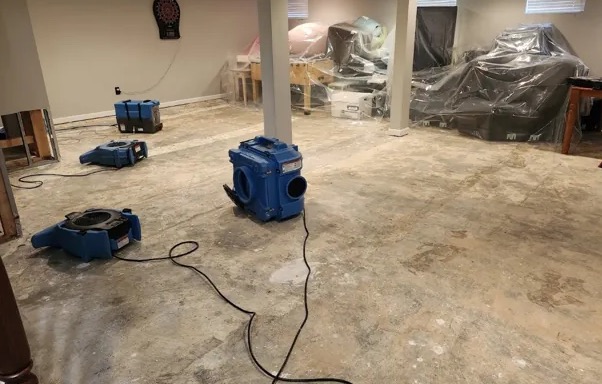
Professional Document Drying & Restoration in Garland, TX
For residents in Garland, moldy document cleaning is a common need after water events, as mold can quickly colonize damp paper, causing stains and health risks.
When water damage affects documents in Garland, local document drying pros provide essential services for properties throughout the area. They handle wet papers and flooded books, including in Rowlett, Sachse and Richardson. Papers are handled carefully throughout.
Detailed Document Drying & Restoration Offerings
Flooded Book Restoration
For flooded books in Garland, the restoration process addresses swollen covers and damp pages. Local pros work to dry each component methodically, helping to recover cherished volumes and important texts.
Soaked Document Drying Services
Soaked document drying services in Garland often use vacuum freeze-drying. This sublimates ice from wet papers, preventing further water spread. It helps preserve archival materials and blueprints.
Water Damaged File Recovery
Important file recovery targets water-damaged business records and legal paperwork to maintain their usability. The experts in Garland dry and stabilize files to prevent operational disruption.
Water Damaged Photo Restoration
Wet photograph salvage in Garland focuses on rescuing water-damaged prints and negatives from irreversible sticking or emulsion loss. Experts use techniques to dry each item individually.
Moldy Document Cleaning
Moldy document cleaning removes mold from paper. Specialists in Garland use soft brushes and approved solutions under controlled conditions. This stops the mold from spreading before drying.
When to Call for Document Drying & Restoration in Garland
Photographs With a Cloudy Appearance
A milky or hazy layer on photo surfaces is often emulsion damage from water. Photo restoration after water damage can address this issue.
Musty Odor From Files
An earthy smell from boxes or filing cabinets usually means hidden mold and wet paper.
Visible Mold on Pages
Fuzzy spots or dark speckling on paper are clear signs of mold growth. The mold must be cleaned off before it spreads.
Books Swollen and Hard to Open
Book covers or pages that have swelled shut signal deep water penetration. Flooded book restoration can carefully dry and reshape these items.
How Document Drying & Restoration Works in Garland
Step 1: First Call About Wet Paper Drying
A fast call brings the pros to start the critical window for wet paper drying, assessing which items can be saved through emergency techniques.
Step 2: Contained Drying & Mold Prevention
Items are moved to a controlled drying space to begin the document drying process, which actively works to prevent mold growth on paper and photographs.
Step 3: Photo Restoration After Water Damage
Special attention is given to photo restoration after water damage, using specific methods to separate, dry and potentially restore soaked images and albums.
Step 4: Finalizing Important Paper Drying
Documents and books are left stable, dry and ready for review and storage.
Common Causes of Water Damaged Documents in Garland
Natural Flooding From Storms
Overland flooding from rivers, streams or heavy rainfall can inundate a property, submerging file rooms and archives in contaminated standing water.
Window or Door Seal Failure
Driving rain can seep through faulty seals, allowing water to pool on windowsills or floors where documents may be stored nearby.
Appliance Malfunctions and Overflows
A failing water heater, washing machine or dishwasher can flood a room, submerging boxes of records or photographs on the floor.
HVAC Condensation or Leaks
Clogged drain lines or leaking air handler units can create persistent dampness in closets or storage areas, leading to slow, hidden mold growth on paper.
Residential and Commercial Document Drying & Restoration in Garland
Residential Document Drying & Restoration
If a leak soaks important papers in Garland, contact the pros. They specialize in water damaged file recovery and photo restoration after water damage, applying controlled drying environments for your possessions.
Commercial Document Drying & Restoration
The pros in Garland assist businesses with water damaged document restoration for critical data. They dry ledgers, blueprints and company archives.
Why DIY Document Drying Often Fails in Garland
You can place paper towels between pages to absorb moisture, changing them frequently. If pages are stuck together or the book is saturated, do not force it open. Contact the pros for flooded books so pages do not tear.
Cost Considerations for Document Drying & Restoration in Garland
For document drying in Garland, cost factors include the volume of wet paper, the presence of mold, and whether the materials require specialized archival recovery techniques.
Item Fragility and Value
Delicate items like historic photographs or bound ledgers need careful hand work, which raises the price.
Extent of Water Damage
Whether documents are damp, soaked, or saturated affects the drying protocol, equipment needed, and overall project duration in Garland.
Post-Drying Services
Additional steps like deodorization, rebinding, or digital scanning after the wet document drying process add to the total service scope.
Does Insurance Cover Document Drying & Restoration?
Moldy document cleaning may be covered if the mold resulted from a covered peril like a sudden pipe burst. The contamination and remediation are documented. Your insurer will review this documentation to inform their coverage decision.
Benefits of Local Document Drying & Restoration Experts
Targeted Drying Techniques
Different materials, from glossy photos to porous ledger paper, require specific drying environments to optimize recovery during important paper drying.
Comprehensive Soot and Debris Removal
After a fire, document restoration includes careful soot removal before the wet document drying process to prevent permanent staining.
Detailed Damage Documentation
Pros systematically document all damage with photos and moisture maps, creating a clear record for your personal reference or insurance review.
After-Hours Document Drying & Restoration Available
When a flood reaches your home office or library, act fast. For flooded books and soaked documents in Garland, call (972) 833-6805.
Call Now (972) 833-6805Document Drying & Restoration Available in Rowlett, Sachse and Richardson
Document drying services in Garland address water damaged paper recovery for homes and businesses. These critical services are available throughout Dallas County, including areas like Rowlett, Sachse and Richardson.
Your Document Drying & Restoration Questions Resolved
Can fire-damaged documents be restored after water is used to extinguish the fire?
Yes, but it requires a two-step process. First, soot and debris are carefully removed. Then, the water damaged paper recovery process begins to address the moisture from firefighting efforts.
What does archival record drying involve?
Archival record drying is a process for historical documents. It often uses climate-controlled rooms or chambers with precise humidity and temperature settings to slowly dry materials without causing stress or distortion.
What types of documents can be saved with document drying services?
Most paper-based items can be addressed, including books, photographs, maps, legal files, and artwork. The success rate depends on the material, ink type, and how quickly recovery begins.
What steps are taken to prevent additional damage while drying documents?
Pros prevent further damage by controlling the drying environment, avoiding direct heat, and handling items with care. Separating documents and using non-stick interleaving paper are common protective steps.
What happens after the document drying process is complete?
After drying, items are inspected for stability. Options may include digitization, professional rebinding for books, or applying protective coatings to help guard against future humidity changes.