Garland, TX · Dallas County
Museum Damage Restoration in Garland, TXSewage Backup Cleanup & Historic Artifact Water Extraction
In Garland, Museum Damage Restoration encompasses exhibit fire damage cleanup, archival document drying services, and sewage backup cleanup.
Answered 24/7
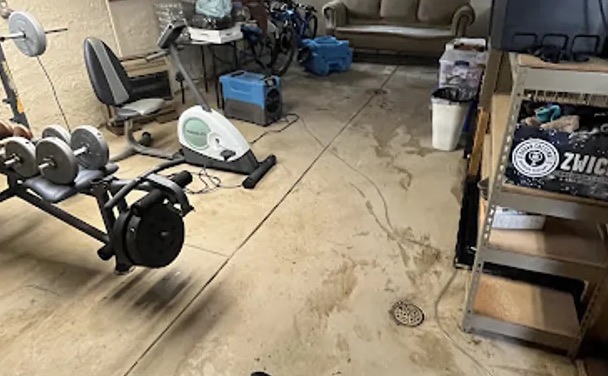
Specialized Museum Damage Restoration in Garland
For properties in Garland, museum damage restoration addresses unique challenges like humidity control and fragile materials. Sewage backups or storm damage can compromise entire exhibits, necessitating expert intervention.
Museums and archives in Garland, Rowlett, Sachse and Richardson can get help with water, mold and smoke damage. Facility managers can call (972) 833-6805 at any hour to describe the damage.
Comprehensive Museum Damage Restoration for Garland Museums
Sewage Backup Cleanup
Sewage backup cleanup in museums handles contaminated water that is a health risk and can destroy collections. Contaminated water is removed and the space is disinfected.
Historic Artifact Water Extraction
Water must be removed from historic artifacts right away to prevent permanent damage. Local water removal pros in Garland use controlled extraction methods to protect delicate materials like wood, textiles, and metals from water-related deterioration.
Storm Damage Structural Drying
Structural drying protects the building envelope, which is often historic itself. Moisture is removed with as little demolition of original materials as possible.
Museum Artifact Salvage
The experts in Garland provide secure pack-out services. It organizes the recovery and keeps artifacts away from damaging conditions on site.
Archival Document Drying Services
The drying process for wet archives involves careful handling and separation of pages to avoid blocking and adhesion.
Mold Growth Indicators in Museum Settings
Buckled Hardwood Floors in Galleries
Warping floorboards under heavy displays suggest subsurface moisture. Storm damage structural drying can stabilize the environment.
Water Dripping From HVAC Vents
Condensation or dripping from air systems risks artifact damage. It is a key reason to restore the HVAC system after water damage.
Water Stains on Historic Artifacts
Stains or color changes on paintings, sculptures or textiles mean water has reached them and they need care right away.
High Humidity Readings on Sensors
Consistent spikes in relative humidity threaten delicate materials. Museum climate control after water damage restores proper preservation conditions.
How Museum Damage Restoration Works in Garland
Step 1: Disaster Scene Security and Assessment
The first action is to secure the area from further damage and perform a thorough assessment. The pros identify all affected artifacts and materials.
Step 2: Targeted Water Extraction and Removal
Pumps and extractors remove water from delicate areas, with gentle methods near fragile items.
Step 3: Environmental Drying for Preservation
The building's climate is aggressively restored using dehumidification. Climate control after water damage stabilizes temperature and humidity.
Step 4: Collection Cleaning and Sanitization
Every salvageable item is cleaned, deodorized, and sanitized as needed. This phase completes the fire damage restoration for museums or water damage recovery process.
Typical Sources of Damage in Museums
Roof Leaks During Heavy Rain
Old roofing or storm damage can let water drip onto exhibits and stored collections.
HVAC Condensation Line Failures
Clogged or broken drain lines can leak water into walls, where hidden moisture leads to mold.
Natural Disaster Flooding
Rising rivers or streams after heavy rain can flood ground-floor galleries and storage rooms.
Storm Damage to Building Envelope
High winds can breach windows, skylights, or exterior walls. Storm damage repair for historic buildings secures the structure first.
Comprehensive Museum Damage Restoration Across Garland
Water Damage Help for Homes
While Museum Damage Restoration typically serves public institutions, private collectors in Garland face similar risks. Water from a leaky roof or burst pipe can ruin a personal art collection.
Museum Damage Restoration for Owners and Managers
Museums, archives, and historical societies in Garland require specialized disaster response. A sewage backup or fire can threaten irreplaceable cultural assets.
Museum Damage Restoration Decisions: DIY or Call Collection Recovery Experts in Garland
After a storm, you can check for visible roof damage and place tarps if it is safe. If water reaches exhibit spaces, call for help right away, because moisture inside walls affects the building and the room climate.
Understanding Museum Damage Restoration Cost in Garland
The cost for museum damage restoration services in Garland varies with the type of collection damaged, requiring different protocols for paper archives versus large sculptures. Emergency service timing also affects the scope of work.
Contamination Level
Sewage backup cleanup requires rigorous biocontainment and disinfectant protocols not needed for clean water leaks, affecting safety procedures and material costs.
Structural Drying Complexity
Storm damage structural drying in historic buildings with thick walls and limited ventilation requires more time and strategic air movement planning.
Mold Remediation Scope
Visible mold on display cases is a smaller project than systemic museum mold remediation within wall cavities and air handling units.
Does Insurance Cover Museum Damage Restoration?
Whether insurance covers Museum Damage Restoration in Garland is determined by your policy's terms. You must submit this to your carrier and discuss coverage, as all final determinations rest with your insurance company.
Benefits of Local Experts for Museum Damage Restoration in Garland
Specialized Artifact Handling
Processes are designed for delicate items. This careful approach is central to museum artifact salvage and preventing further damage during the pack-out phase.
Detailed Damage Documentation
Thorough photo and moisture documentation is standard. This creates a clear record for your institution's assessment and any necessary insurance processes.
HVAC Decontamination
Systems are cleaned to protect air quality. HVAC system water damage restoration helps prevent mold circulation after a flood or sewage event.
24/7 Emergency Museum Damage Restoration in Garland
Fire and water damage can devastate displays. For exhibit fire damage cleanup and subsequent drying to salvage what is possible, help is available. Contact specialists at (972) 833-6805 in Garland.
Call Now (972) 833-6805Local Museum Damage Restoration for Garland, Rowlett, Sachse and Richardson
The work addresses unique challenges for galleries and archives in Garland. From water extraction to fire cleanup, service also covers nearby communities including Rowlett, Sachse and Richardson.
Common Museum Damage Restoration Queries Answered
What does museum artifact salvage and pack-out entail?
It involves carefully inventorying, stabilizing, and packing damaged items for secure transport to a controlled off-site facility for further restoration and drying, prioritizing fragile pieces.
What steps are involved in drying a museum's structure after storm damage?
Air movers and dehumidifiers are placed carefully to dry thick walls and hidden cavities without harming original materials.
What are emergency response priorities for museum disasters?
Make the site safe, stop the damage source, stabilize the environment and protect the most vulnerable items first.
How is soot removed from sensitive exhibits after a fire?
Dry sponges, HEPA vacuums and gentle chemical sponges lift soot without grinding it into surfaces or damaging finishes on exhibits.
Why does quick action matter for museum flood restoration?
Quick action limits the spread of water, reduces absorption into porous artifacts and building materials, and lowers the risk of costly secondary damage like mold and corrosion.