Septic Tank Backup Water Removal in Richardson, TX
Trusted by 135+ Homeowners
- Over 139 5-Star Reviews
- Free Estimates and Quotes
- 100% Satisfaction Guaranteed
- Child, Family & Pet Safe Steps
- 24-Hour Emergency Service
- Fully Licensed & Insured
- Call
- We arrive
- Restored

Septic Tank Backup Water Removal in Richardson, TX: Don’t Let Flooding Ruin Your Day
Richardson, TX, is known for its hot summers and occasional thunderstorms. But did you know that the area receives an average of 4.2 inches of rainfall in July alone? When the skies open up, it’s not uncommon for the water table to rise, causing septic tanks to back up and flood your property. It’s crucial to be aware of this seasonal risk and take preventative measures to protect your home and family.
With over 165 five-star reviews, our team is the go-to choice for local homeowners dealing with septic tank backup water removal. We understand the stress and anxiety that comes with dealing with a flooded property, and our expert technicians are here to guide you through every step of the process.
- Quick response times: We’ll be at your doorstep within 60 minutes to assess the damage and start the cleanup process.
- Expert equipment: Our technicians use the latest technology and equipment to safely remove standing water and prevent further damage.
- Personalized service: We’ll work with you to create a customized plan to restore your property to its original condition.
How Our Septic Tank Backup Water Removal Service Works
Our team’s process for septic tank backup water removal is designed to be efficient, effective, and minimally invasive. We’ll work closely with you to identify the source of the problem and develop a plan to address it. Our technicians will then use specialized equipment to safely remove standing water, dry out your property, and prevent further damage.
Step 1: Assessment and Planning
Our team will arrive at your property within 60 minutes to assess the damage and develop a customized plan to address it. We’ll identify the source of the problem, whether it’s a clogged drainfield, a faulty septic tank, or something else entirely. Our technicians will then work with you to create a plan to safely remove standing water and prevent further damage.
Assessing the damage quickly developing a customized plan and communicating clearly are crucial steps in the septic tank backup water removal process.
Step 2: Water Removal
Our technicians will use specialized equipment to safely remove standing water from your property. We’ll work to extract water from your home, including carpets, upholstery, and other materials. Our goal is to dry out your property as quickly and efficiently as possible.
Using the right equipment for the job, extracting water quickly and preventing further damage are all critical parts of the water removal process.
Step 3: Drying and Dehumidification
Once the standing water has been removed, our technicians will use specialized equipment to dry out your property. We’ll work to remove excess moisture from your home, including carpets, upholstery, and other materials. Our goal is to prevent further damage and create a safe environment for you and your family.
Removing excess moisture preventing mold growth and restoring your property to its original condition are all critical parts of the drying and dehumidification process.
Step 4: Repair and Restoration
Once your property has been dried out, our technicians will work with you to repair and restore your home. We’ll identify any areas of damage and develop a plan to address them. Our goal is to create a safe and healthy environment for you and your family.
Repairing and restoring your property preventing future damage and ensuring your safety are all critical parts of the repair and restoration process.
Don’t wait until it’s too late to address septic tank backup water removal. Contact our team today to schedule an assessment and start the cleanup process.

Warning Signs You Need Septic Tank Backup Water Removal
Don’t ignore the warning signs of a septic tank backup. Catching these signs early can save you money and prevent bigger problems down the line. Here are some common warning signs to look out for:
Musty Odors That Won’t Go Away
Strong, unpleasant odors emanating from your septic system can be a sign of a backup or clog. If you notice persistent musty smells, don’t wait to address the issue. Our team can help you identify the source of the problem and develop a plan to address it.
Identifying the source of the odor preventing further damage and ensuring your safety are all critical parts of addressing musty odors.
Slow Drains and Clogged Toilets
Slow drains and clogged toilets can be a sign of a septic tank backup or clog. If you notice these issues, don’t wait to address them. Our team can help you identify the source of the problem and develop a plan to address it.
Identifying the source of the clog preventing further damage and ensuring your safety are all critical parts of addressing slow drains and clogged toilets.
Water Damage and Standing Water
Water damage and standing water can be a sign of a septic tank backup or clog. If you notice these issues, don’t wait to address them. Our team can help you identify the source of the problem and develop a plan to address it.
Identifying the source of the water damage preventing further damage and ensuring your safety are all critical parts of addressing water damage and standing water.
Sewage Backup and Overflow
Sewage backup and overflow can be a sign of a septic tank backup or clog. If you notice these issues, don’t wait to address them. Our team can help you identify the source of the problem and develop a plan to address it.
Identifying the source of the backup preventing further damage and ensuring your safety are all critical parts of addressing sewage backup and overflow.
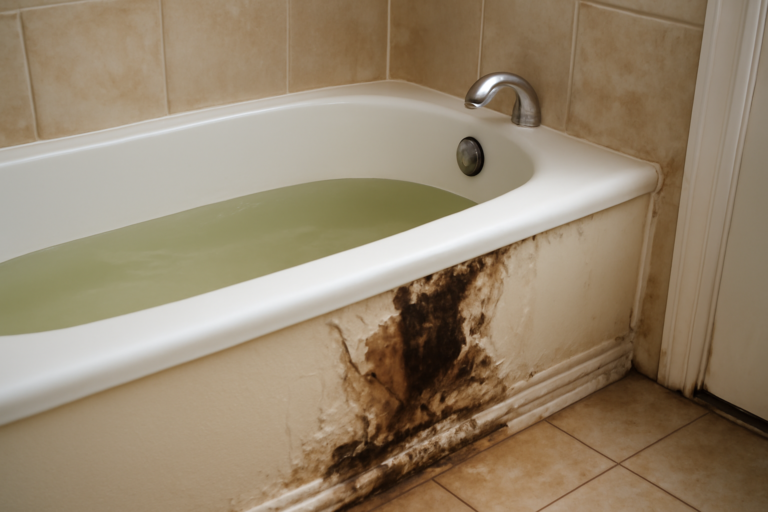
Green or Black Water
Green or black water can be a sign of a septic tank backup or clog. If you notice these issues, don’t wait to address them. Our team can help you identify the source of the problem and develop a plan to address it.
Identifying the source of the water preventing further damage and ensuring your safety are all critical parts of addressing green or black water.
Septic Tank Backup Water Removal vs. DIY: When To Call a Professional
| Situation | DIY? | Call a Pro? | Why |
|---|---|---|---|
| Small leak or clog | Yes | No | You can address small issues on your own with a plunger or snake. |
| Large leak or clog | No | Yes | A large leak or clog needs specialized equipment and expertise to address safely and effectively. |
| Standing water or flooding | No | Yes | Standing water or flooding needs immediate attention to prevent further damage and ensure your safety. |
| Musty odors or sewage backup | No | Yes | Musty odors or sewage backup need specialized expertise to identify and address the source of the issue. |
| Water damage or mold growth | No | Yes | Water damage or mold growth needs specialized equipment and expertise to address safely and effectively. |
Don’t wait until it’s too late to address septic tank backup water removal. Contact our team today to schedule an assessment and start the cleanup process.
Septic Tank Backup Water Removal Cost In Richardson, TX
The cost of septic tank backup water removal in Richardson, TX, can vary based on the severity of the issue, the size of the affected area, and local conditions. Here are some estimated price ranges for different aspects of the service:
| Service | Typical Price Range | What Affects Cost |
|---|---|---|
| Water removal | $500 – $2,500 | Size of affected area, amount of standing water |
| Drying and dehumidification | $1,000 – $5,000 | Size of affected area, type of materials affected |
| Repair and restoration | $2,000 – $10,000 | Severity of damage, type of repairs needed |
| Equipment rental | $100 – $500 | Duration of rental, type of equipment |
Exact pricing will depend on an on-site assessment, and we offer free estimates to all our customers. Contact our team today to schedule an assessment and get a quote for your specific needs.
Service Areas Near Richardson, TX
We serve the following nearby communities:
Arlington, TX, Bedford, TX, Carrollton, TX, Cedar Hill, TX, Coppell, TX, Dallas, TX, Duncanville, TX, Euless, TX, Farmers Branch, TX, Flower Mound, TX, Fort Worth, TX, Frisco, TX, Garland, TX, Grapevine, TX, Irving, TX, Lewisville, TX, Mansfield, TX, McKinney, TX, Mesquite, TX, Plano, TX, Richardson, TX, Rowlett, TX, Sachse, TX, Southlake, TX, The Colony, TX
Common Questions About Septic Tank Backup Water Removal
Q: What causes septic tank backup water removal?
A: Septic tank backup water removal is often caused by a clogged drainfield, a faulty septic tank, or a combination of both. Our team can help you identify the source of the problem and develop a plan to address it.
Identifying the source of the issue preventing further damage and ensuring your safety are all critical parts of addressing septic tank backup water removal.
Q: How long does septic tank backup water removal take?
A: The length of time required for septic tank backup water removal can vary based on the severity of the issue and the size of the affected area. Our team will work with you to develop a plan to address the issue as quickly and efficiently as possible.
Developing a plan preventing further damage and ensuring your safety are all critical parts of addressing septic tank backup water removal.
Q: Is septic tank backup water removal covered by insurance?
A: In some cases, septic tank backup water removal may be covered by insurance. Our team can help you navigate the claims process and ensure that you receive the compensation you deserve.
Navigating the claims process ensuring your safety and preventing further damage are all critical parts of addressing septic tank backup water removal.
Q: What are the health risks associated with septic tank backup water removal?
A: Septic tank backup water removal can pose serious health risks, including the spread of disease and exposure to toxic chemicals. Our team takes every precaution to ensure that you and your family are safe throughout the process.
Ensuring your safety preventing further damage and addressing health risks are all critical parts of addressing septic tank backup water removal.
Q: Can I do septic tank backup water removal myself?
A: While it may be tempting to try to address septic tank backup water removal yourself, it’s generally not recommended. This type of issue needs specialized expertise and equipment to address safely and effectively. Our team is here to help.
Preventing further damage ensuring your safety and addressing the issue correctly are all critical parts of addressing septic tank backup water removal.
Check Our Other Relevant Services
Serving Richardson, TX And Nearby Areas