Subfloor Water Extraction in Southlake, TX
Trusted by 135+ Homeowners
- Over 139 5-Star Reviews
- Free Estimates and Quotes
- 100% Satisfaction Guaranteed
- Child, Family & Pet Safe Steps
- 24-Hour Emergency Service
- Fully Licensed & Insured
- Call
- We arrive
- Restored

Water Damage to Your Subfloor? Don’t Wait!
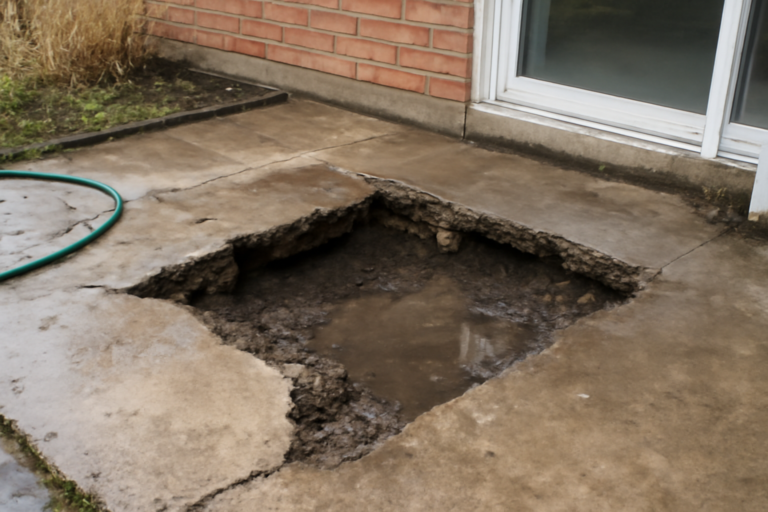
When you notice water seeping into your subfloor, it’s essential to address the issue quickly. Water can penetrate deeper into the subfloor, causing significant damage to the underlying structure, including the wooden joists, insulation, and drywall. Your home’s foundation and the surrounding areas can also be compromised. Don’t wait to call a professional, as standing water can lead to costly repairs and potential safety hazards.
Our team has served homeowners in Southlake, TX and surrounding areas for years, providing top-notch Subfloor Water Extraction services. With over 165+ 5-star reviews homeowners trust us to get the job done right.
- Quick response time to prevent further damage
- Expert technicians who understand the importance of a speedy extraction
- State-of-the-art equipment to ensure efficient water removal
How Our Subfloor Water Extraction Process Works
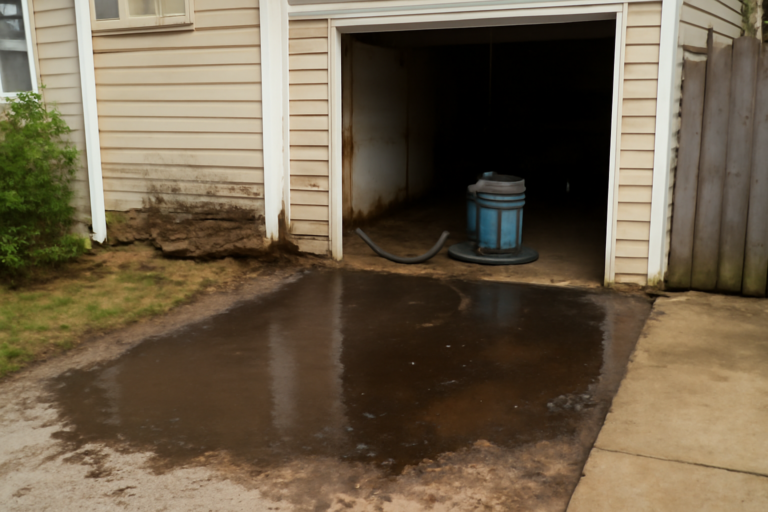
When you call us, our team springs into action. We understand that every minute counts in these situations. Within 60 minutes of your call, our crew will arrive on-site to assess the situation and begin extracting water from your subfloor. We use specialized equipment, including pumps and wet vacuums, to remove the water and reduce the risk of further damage.
Step 1: Initial Assessment
Upon arrival, our technicians will conduct a thorough inspection of the damaged area to find out the extent of the water damage. This includes identifying the source of the water and assessing the condition of the subfloor, walls, and ceiling.
Step 2: Water Extraction
Using our specialized equipment, we will begin extracting the water from the subfloor. This process involves using pumps and wet vacuums to remove the water, reducing the risk of further damage and promoting a safe living environment.
Step 3: Drying and Dehumidification
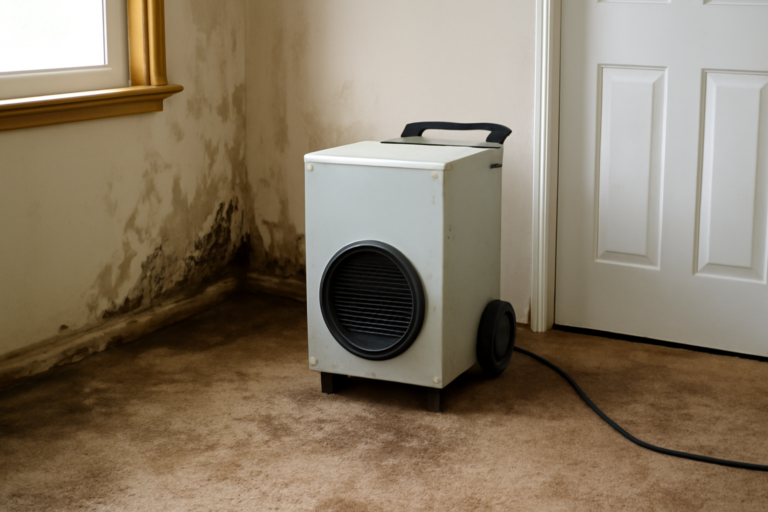
Once the water has been extracted, we will use specialized drying equipment to remove any remaining moisture from the subfloor, walls, and ceiling. This includes the use of dehumidifiers and fans to promote airflow and speed up the drying process.
Step 4: Inspection and Cleaning
After the drying process is complete, our technicians will conduct a thorough inspection of the area to ensure that all water and moisture have been removed. This includes cleaning any affected areas, including walls and ceilings, to prevent mold and mildew growth.
Step 5: Final Inspection and Completion
Upon completion of the water extraction process, our technicians will conduct a final inspection of the area to ensure that all water has been removed and the area is safe for habitation. This includes providing you with a detailed report of the work completed and making any necessary recommendations for future repair or maintenance.
Don’t wait, act fast to prevent further damage and potential safety hazards. Our team is here to help you through this challenging time.

Warning Signs You Need Subfloor Water Extraction
The sooner you address the issue, the less damage you’ll face. Catching these signs early can save you money and prevent bigger problems.
Musty Odors That Won’t Go Away
When you notice persistent musty odors in your home, it’s a sign that mold and mildew are growing. This can spread to your subfloor, causing costly damage and potential health risks.
Warped or Buckled Flooring
When your flooring becomes warped or buckled, it’s a sign that water has penetrated the subfloor. This can lead to structural damage and costly repairs.
Visible Water Stains on Walls and Ceilings
When you notice visible water stains on your walls and ceilings, it’s a sign that water has seeped into the subfloor. This can lead to costly repairs and potential safety hazards.
Peeling Paint or Wallpaper
When your paint or wallpaper starts peeling, it’s a sign that water has entered the subfloor. This can lead to costly repairs and potential health risks.
Water-Soaked Insulation or Drywall
When your insulation or drywall becomes water-soaked, it’s a sign that the subfloor has been compromised. This can lead to costly repairs and potential safety hazards.
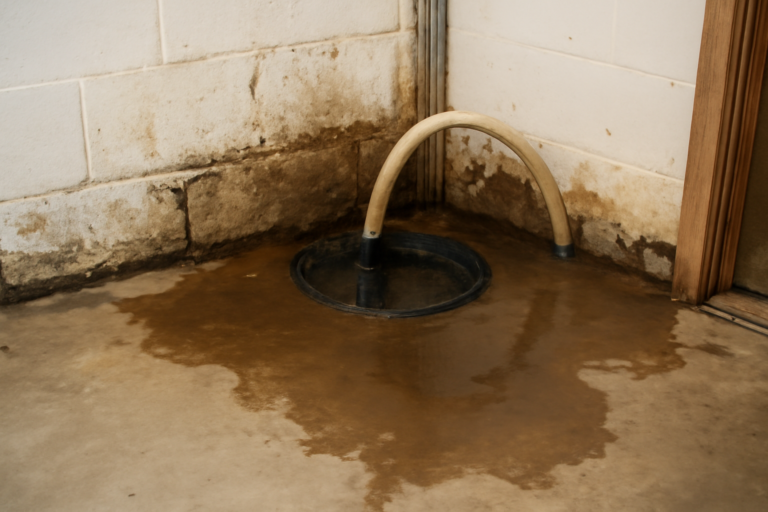
Standing Water in Your Crawlspace or Basement
When you notice standing water in your crawlspace or basement, it’s a sign that the subfloor has been compromised. This can lead to costly repairs and potential safety hazards.
Subfloor Water Extraction vs. DIY: When to Call a Professional
| Situation | DIY? | Call a Pro? | Why |
|---|---|---|---|
| Water damage is minor, and you can extract it yourself | Yes | No | You can handle a small spill with the right equipment and knowledge. |
| Water has seeped into the subfloor, and you’re not sure how to extract it | No | Yes | Our team has the training and equipment to handle complex water extraction situations. |
| You notice musty odors or warped flooring | No | Yes | These signs show potential mold growth and structural damage, which need professional attention. |
| You’re not sure how to dry the affected area | No | Yes | Our team will use specialized equipment to dry the area efficiently and effectively. |
| You’re dealing with a large-scale water damage situation | No | Yes | Our team has the resources and expertise to handle extensive water damage situations. |
| You’re concerned about potential health risks or safety hazards | No | Yes | Our team will take the necessary precautions to ensure a safe working environment and prevent future risks. |
When dealing with subfloor water extraction, it’s essential to call a professional. Our team has the training, equipment, and expertise to handle complex water extraction situations, ensuring a safe and effective solution for your home.
Subfloor Water Extraction Cost in Southlake, TX
The cost of subfloor water extraction in Southlake, TX, can vary depending on the severity of the damage, the size of the affected area, and local conditions. We’ll provide you with a detailed estimate after assessing your property.
| Service | Typical Price Range | What Affects Cost |
|---|---|---|
| Initial Assessment and Inspection | $100 – $500 | The extent of the damage and the size of the affected area. |
| Water Extraction and Removal | $500 – $2,500 | The amount of water extracted and the equipment needed. |
| Drying and Dehumidification | $200 – $1,000 | The size of the affected area and the equipment used. |
| Inspection and Cleaning | $100 – $500 | The extent of the damage and the equipment needed. |
| Final Inspection and Completion | $100 – $500 | The complexity of the job and the equipment used. |
Keep in mind that these estimates are based on our team’s experience and the factors that affect the cost of subfloor water extraction. An on-site assessment will provide a more accurate estimate for your specific situation.
Service Areas Near Southlake, TX
We serve the following communities: Colleyville, Grapevine, Haltom City, Hurst, Keller, North Richland Hills, Richland Hills, Watauga, Westlake, and surrounding areas.
Common Questions About Subfloor Water Extraction
What is the typical response time for your team?
We understand that every minute counts in water damage situations. Our team will respond within 60 minutes of your call to assess the situation and begin extracting water from your subfloor.
How long will it take to complete the water extraction process?
The length of time it takes to complete the water extraction process depends on the severity of the damage and the size of the affected area. But, our team will work efficiently to ensure that the area is safe and dry as soon as possible.
What equipment will your team use to extract the water?
We use specialized equipment, including pumps and wet vacuums, to extract water from the subfloor. This ensures a safe and effective solution for your home.
Will your team handle any necessary repairs or maintenance?
Our team will provide you with a detailed report of the work completed and make any necessary recommendations for future repair or maintenance. But, we will not perform any repairs or maintenance without your explicit consent.
How do I prevent subfloor water damage in the future?
Regular inspections of your home’s crawlspace and basement can help prevent subfloor water damage. Also, ensuring that your home’s gutters and downspouts are clear and functioning properly can reduce the risk of water entering your home.
Check Our Other Relevant Services
Serving Southlake, TX And Nearby Areas