Frisco, TX · Collin County
Temperature-Controlled Drying in Frisco, TXDrying Equipment Deployment & Humidity Control For Restoration
Temperature-Controlled Drying in Frisco by local moisture control experts includes thermal drying for water damage, climate-controlled drying systems, and rapid structural drying services.
Answered 24/7
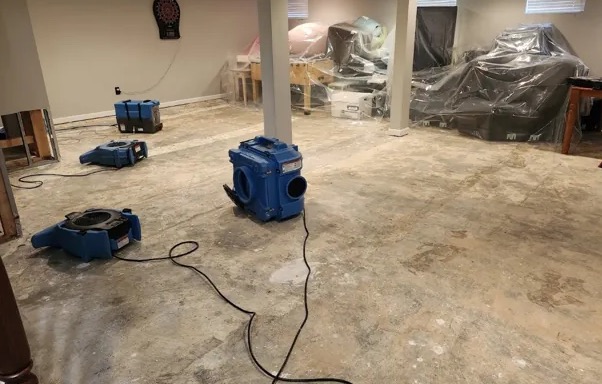
Targeted Temperature-Controlled Drying for Properties in Frisco
In Frisco, water spreads quickly through wood and concrete. Local pros use controlled heat to drive moisture out of those materials faster.
In Frisco and nearby The Colony, Prosper and Little Elm, local pros map moisture in walls and subfloors, then fit thermal drying and humidity control to the materials in the building.
Comprehensive Temperature-Controlled Drying Solutions for Frisco
Drying Equipment Deployment
Pros set up drying machines with safe power, condensate drainage and placement based on the moisture map.
Humidity Control for Restoration
Dehumidifiers lower the dew point in the affected area, so materials give up their moisture more easily.
Moisture Mapping
Moisture mapping uses penetrating and non-penetrating meters to document water migration. This creates a blueprint of wet areas, including hidden moisture behind walls.
Thermal Drying for Water Damage
The experts raise the room temperature in a controlled way to drive moisture out of dense materials like concrete slabs and beams, watching readings the whole time.
Rapid Structural Drying Services
Rapid drying protocols focus on core materials providing a building's strength. The pros implement these methods for wood, concrete, and steel.
Symptoms Needing Temperature-Controlled Drying in Frisco
Visible Mold Growth in Corners
Black, green or white specks in damp corners or on baseboards are usually mold, which means moisture has been there a while.
Damp Odors Persisting After Water
A musty smell lingers even after visible water is gone, indicating hidden moisture. That odor often signals mold or trapped dampness.
Condensation on Windows or Surfaces
Excess humidity causes water droplets to form on cold surfaces. This condensation confirms the indoor air has too much moisture.
Paint Peeling or Bubbling Up
Paint loses adhesion and forms bubbles or peels away from the wall. This failure is caused by moisture trapped beneath the paint film.
How Temperature-Controlled Drying Works in Frisco
Step 1: Assessment and Moisture Detection
The pros perform a thorough assessment using thermal imaging and moisture meters. This identifies the full extent of damage, guiding the drying plan.
Step 2: Containment and Airflow Strategy
Plastic barriers close off the wet area so humidity can be controlled, and air movers are placed to move air across wet materials.
Step 3: Thermal Drying System Activation
Specialized thermal drying equipment is activated to gently raise the air temperature in the space.
Step 4: Verification and Structural Drying Completion
Readings are compared with dry areas of the building to confirm drying is complete.
Common Causes Requiring Structural Drying in Frisco
Poor Ventilation After a Flood
Closing up a wet room traps humid air, which slows drying and lets moisture soak further into materials.
Roof Leak During Heavy Rain
Wind-driven rain through a damaged roof or flashing can run down inside wall cavities, where it needs targeted drying.
Foundation Cracks and Seepage
Hydrostatic pressure forces groundwater through cracks in the foundation wall. This seepage creates a constant dampness that challenges standard drying technology.
Storm-Driven Water Intrusion
Heavy rain overflows gutters or gets in around windows and soaks framing and insulation.
Temperature-Controlled Drying for Homes and Businesses in Frisco
Residential Temperature-Controlled Drying
In condos and apartments, containment barriers and negative air machines keep moisture from moving into neighboring units while drying runs.
Commercial Temperature-Controlled Drying
Restaurants and food service businesses need rapid, sanitary drying to comply with health regulations after a water event. The pros use specialized equipment and antimicrobial treatments during the drying process.
Temperature-Controlled Drying: DIY Risks vs. Professional Care in Frisco
For a small, recent water spill, use towels to blot surface water and improve air circulation with fans. If water soaks into porous materials like drywall or carpet padding, contact the experts.
Factors in Temperature-Controlled Drying Pricing for Frisco, TX
In Frisco, cost depends on the size of the wet area and how aggressive the drying must be.
Extent of Water Damage
The larger the area that needs drying, the more equipment and labor the job takes.
Structural Material Types
Porous materials like concrete or dense wood require more aggressive drying strategies and extended monitoring, influencing the project timeline and cost.
Moisture Mapping Complexity
Checking moisture in layered floors or hidden cavities takes more time and equipment.
Does Insurance Cover Temperature-Controlled Drying?
Many homeowner policies cover temperature-controlled drying when it stems from a sudden, covered peril like a burst pipe. The experts document all damage with photos and moisture readings for your claim submission.
Selecting Moisture Control Experts for Temperature-Controlled Drying in Frisco
Ongoing Moisture Monitoring
Regular checks with moisture meters verify that drying goals are met, helping ensure no residual dampness remains within walls or floors.
Advanced Moisture Mapping
Moisture meters and thermal cameras find hidden wet pockets so every affected material is dried.
24/7 Emergency Response
Quick action is critical to limit secondary damage, and the pros are available around the clock to begin the drying process.
Round-the-Clock Emergency Temperature-Controlled Drying in Frisco
Don't let moisture settle in. For emergency deployment of drying equipment and strategic air mover placement to start controlled drying, reach the experts directly at (972) 833-6805, available 24/7.
Call Now (972) 833-6805Temperature-Controlled Drying Near Frisco: Communities Served
Controlled drying with detailed drying logs is available in Frisco, and near The Colony, Prosper and Little Elm.
- Temperature-Controlled Drying in The Colony
- Temperature-Controlled Drying in Prosper
- Temperature-Controlled Drying in Little Elm
- Temperature-Controlled Drying in Allen
- Temperature-Controlled Drying in Lake Dallas
- Temperature-Controlled Drying in Celina
- Temperature-Controlled Drying in McKinney
- Temperature-Controlled Drying in Aubrey
- Emergency Damage Restoration in 75033
- Storm Damage Restoration in 75033
- Water Damage Restoration in 75033
- Water Extraction Service in 75033
- Water Leak Detection in 75033
- Water Removal Service in 75033
- Emergency Damage Restoration in 75034
- Storm Damage Restoration in 75034
Temperature-Controlled Drying Information and FAQs
What should a property owner do while waiting for help with drying?
If safe, remove obvious standing water with a mop or towels, move dry contents away from the wet area, and avoid using household fans which can spread contaminants.
Is temperature-controlled drying safe for electronics or artwork?
Yes, when the pros use low heat and careful humidity control, it can be safe for drying sensitive materials and belongings.
What does drying equipment deployment involve?
Pros assess the loss, calculate how much equipment is needed and place air movers, dehumidifiers and sometimes heaters.
What materials benefit most from controlled drying systems?
Porous structural materials like drywall, wood framing, and concrete, as well as contents like documents and furniture, benefit greatly from controlled, gradual drying to prevent ruin.
What are water damage drying logs used for?
Drying logs are detailed records of moisture readings, equipment settings, and progress; they provide documentation for the restoration process and are often required for insurance claims.