ZIP 75013 · Allen, TX · Collin County
Water Damage Restoration in 75013Structural Drying & Water Damage Repair
Water Damage Restoration in Allen covers sewage cleanup, storm damage repair and structural drying.
Answered 24/7
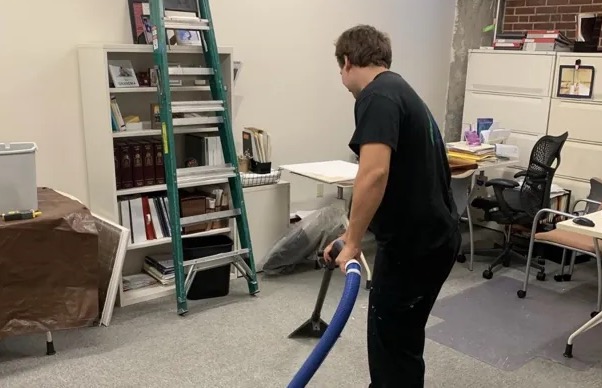
Water Damage Restoration Response in Collin County
In Allen, water damage disrupts daily life and can badly damage a property if it is not handled quickly. Local water damage pros remove the water and repair the damage.
In Allen and nearby Murphy, McKinney and Lowry Crossing, water damage pros clean up sewage backups and repair water damage step by step, drying the structure until readings are normal.
Comprehensive Water Damage Restoration Offerings in 75013
Structural Drying
Structural drying removes moisture from materials like drywall and wood. It uses air movers and dehumidifiers to achieve specific dryness goals, preventing warping and mold.
Water Damage Repair
Water damage repair reconstructs materials that could not be saved. It includes installing new drywall, baseboards, flooring, and paint.
Water Extraction
Water extraction pulls moisture from saturated materials like carpets and padding. This deep process prevents warping and mold growth.
Water Removal
Removing water immediately after a leak prevents secondary damage. Industrial equipment eliminates water from affected rooms in properties in Allen.
Storm Damage Repair
After a storm, roof openings are covered and wet drywall and flooring are dried or replaced.
Symptoms Requiring Water Damage Restoration in 75013
Visible Mold Patches
Any visible mold, especially after a leak, means moisture has stayed long enough for spores to grow.
Water Stains on Ceilings
Yellow or brown ceiling stains indicate an ongoing water leak from above. The pros should inspect to identify the hidden source.
Cracked or Warping Floorboards
Hardwood floors that warp, cup, or crack are reacting to moisture. The pros can assess and begin drying.
Wet or Damp Attic Insulation
Damp insulation in the attic loses effectiveness and can rot wood. Attic drying and removal may be necessary for proper repair.
How Water Damage Restoration Works in 75013
Step 1: Water Removal Services
Powerful extractors remove the surface water and the water absorbed into carpet and floors.
Step 2: Comprehensive Dehumidification
Commercial dehumidifiers pull moisture from the air and building materials, which dries carpet and walls.
Step 3: Cleaning and Debris Removal
Damaged materials that cannot be saved are safely removed. Salvageable surfaces are cleaned and sanitized as part of the water damage cleanup.
Step 4: Reconstruction and Final Verification
Necessary rebuilding, from drywall to flooring, is completed. A final moisture check verifies the area is dry and restoration is finished.
Typical Water Damage Triggers in 75013
Sewer Line Backups or Overflows
Blocked main sewer lines or septic failures can push sewage up into the home through drains.
Fire Suppression System Activation
Fire sprinklers that discharge during a fire or by accident put a lot of water into a building.
Roof Leaks From Storm Damage
Wind-driven rain, hail or fallen debris can break through roofing and let water into the home.
Natural Flooding From Heavy Rain
Heavy rain can overwhelm drainage and send surface water inside through doors and low spots.
Home and Business Water Damage Restoration in 75013
Residential Water Damage Restoration
In residences, hidden moisture in walls or under floors can warp materials and attract pests. Residential water damage repair involves precise moisture mapping and targeted drying.
Commercial Water Damage Restoration
Offices and stores have drop ceilings and raised floors that trap water. Pros use industrial equipment for large-scale removal and drying and document it for business interruption claims.
Professional Water Damage Restoration or DIY in 75013?
After turning off power, mop water off hard floors. Put foil or plastic under furniture legs on wet carpet to prevent stains. If flooring buckles or cups, call the pros for drying.
Cost Considerations for Water Damage Restoration in 75013
In Allen, moving and storing furniture or belongings so floors can be dried adds labor and affects the final cost.
Secondary Damage Remediation
Extra work like mold removal or storm repairs adds its own scope and cost.
Drying Time Required
How long air movers and dehumidifiers must run affects equipment cost and job length.
Affected Materials
Restoration costs vary if water damages drywall, hardwood floors, or custom cabinetry, as each material has different repair or replacement requirements.
Does Insurance Cover Water Damage Restoration?
Insurance coverage for water damage restoration depends on a policy's cause-of-loss terms. Sudden events like a burst pipe are often covered. Gradual leaks may not be.
Why Choose Local Pros for Water Damage Restoration in 75013
IICRC-Standard Methods
The pros follow industry standards for water removal and drying, which helps prevent mold.
Thorough Structural Drying
Air movers and dehumidifiers dry the structure and contents until readings are back to normal.
Detailed Damage Documentation
Pros systematically photograph the damage and record moisture readings, creating a clear visual and data record that can be useful for insurance purposes.
Always-Available Water Damage Restoration for 75013
Sewer backups and major flooding need fast, safe handling. Call (972) 833-6805 24/7 for the pros to start sewage cleanup or water extraction.
Call Now (972) 833-6805Water Damage Restoration Coverage in and Around ZIP 75013
In Allen and nearby Murphy, McKinney and Lowry Crossing, local pros handle everything from sewage backup cleanup to final water damage repairs.
Water Damage Restoration Information: Your Questions
How do professionals handle a sewage backup cleanup?
Sewage cleanup requires strict safety protocols due to contaminants. The process involves removing the hazardous waste, thorough cleaning and disinfecting affected areas, and often removing porous materials that cannot be adequately sanitized.
What does storm damage restoration involve?
It handles water that wind or rain let in, combining water removal, drying and repairs to the roof or siding.
How quickly should water extraction begin after a flood?
As soon as it is safe. Standing water speeds up damage, and mold can start within 24 to 48 hours.
Can wet carpet be saved after water damage?
Wet carpet drying may be possible if extraction begins quickly and the water is clean. Contaminated water often requires disposal. The pros assess the carpet, pad, and subfloor to determine if salvage is feasible.
What is the difference between water removal and structural drying?
Water removal takes out standing water. Structural drying then removes moisture absorbed into drywall and wood with air movers and dehumidifiers.